Title
Location
Where is Everyone?
Year
2025 - Year IV
Urbino, Italy
Project
Educational
Team
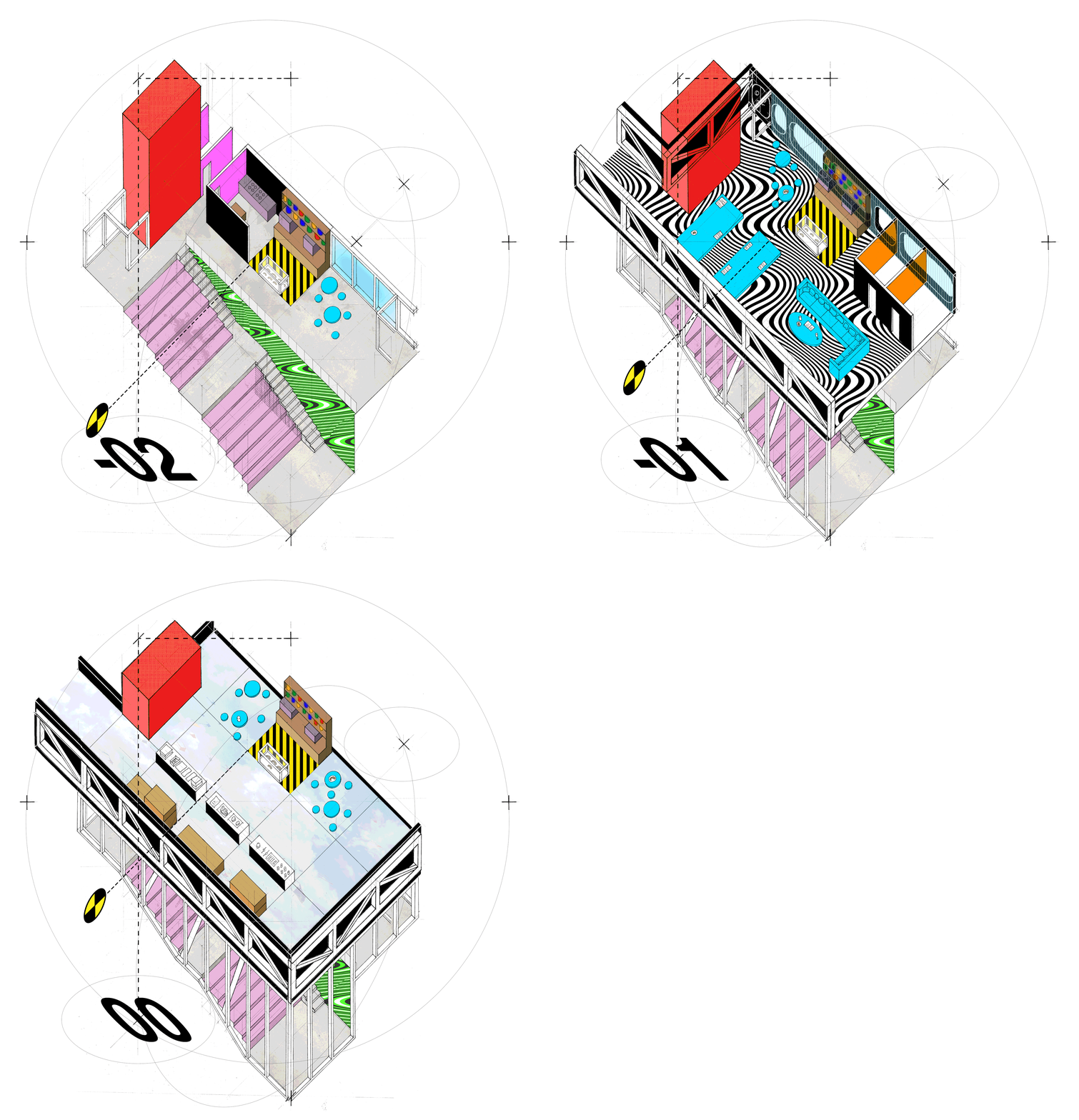
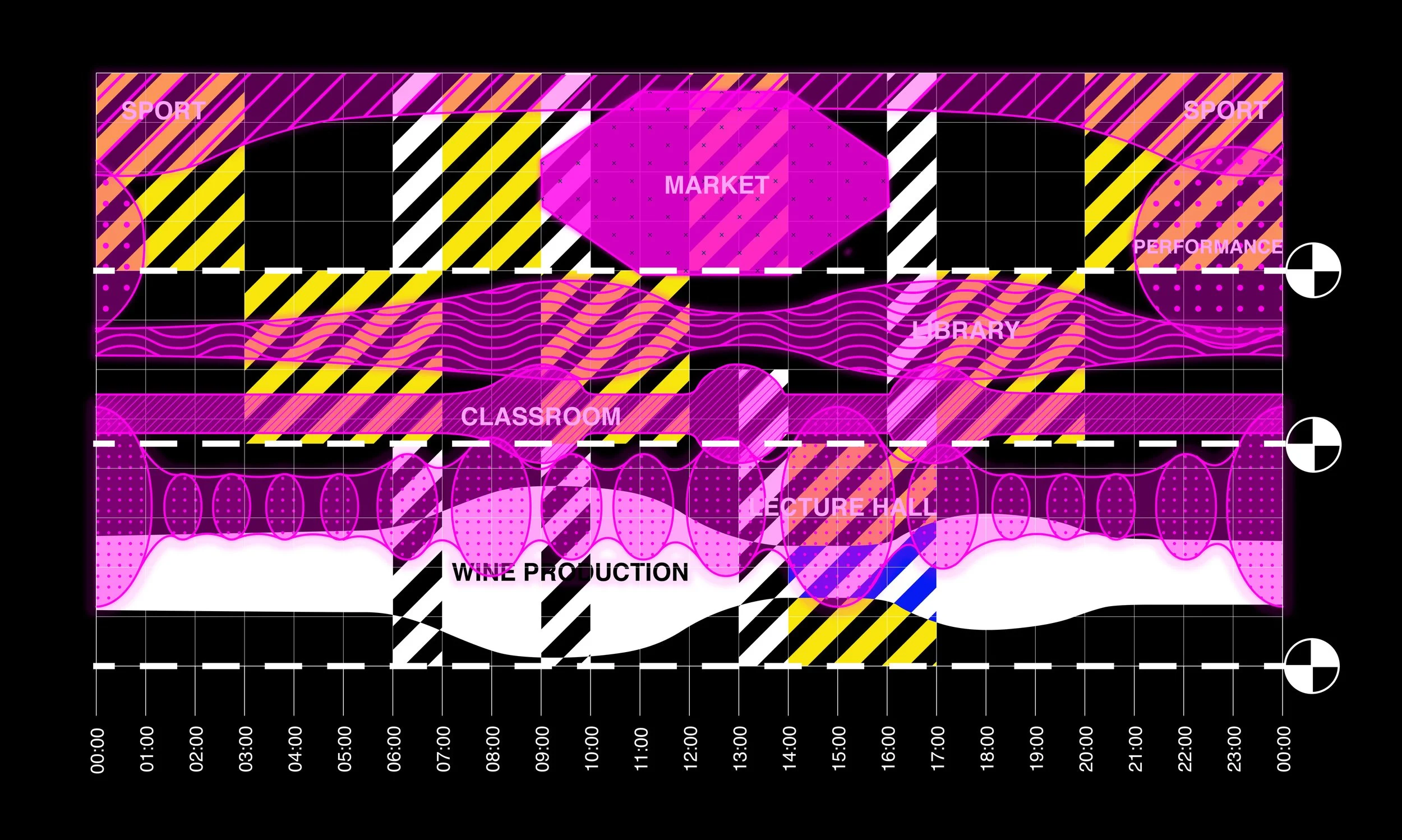
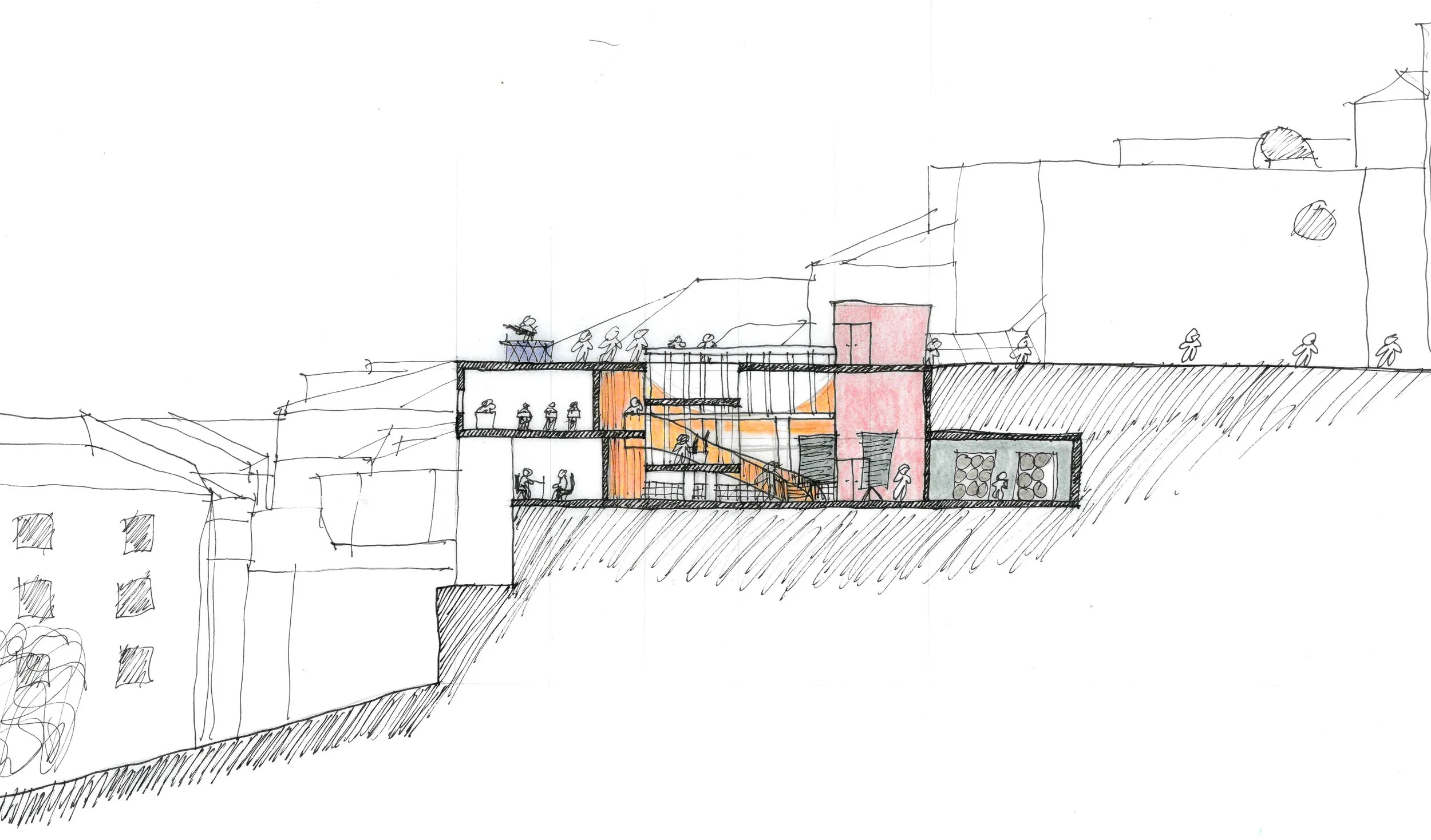
The wine shaft functions as a mobile component of the winemaking process and an educational tool. It transports materials between the production floor, classrooms, and the piazza, allowing wine to be produced, studied, and experienced across levels. Positioned at the center of the production space when lowered, it divides active and passive areas of winemaking. When raised, it becomes a point of demonstration, tasting, and interaction, making the process of production visible and accessible to students and the public.
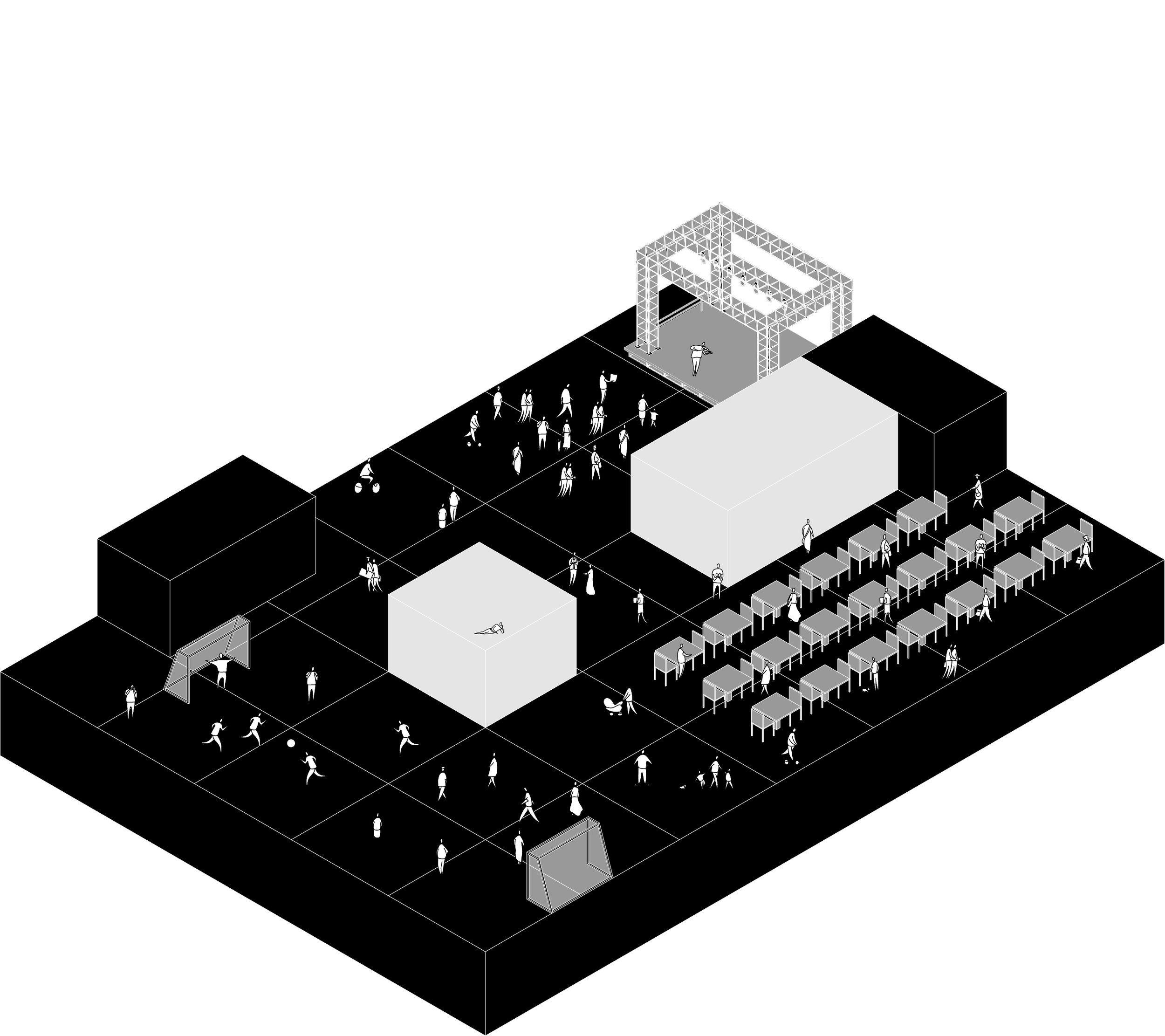
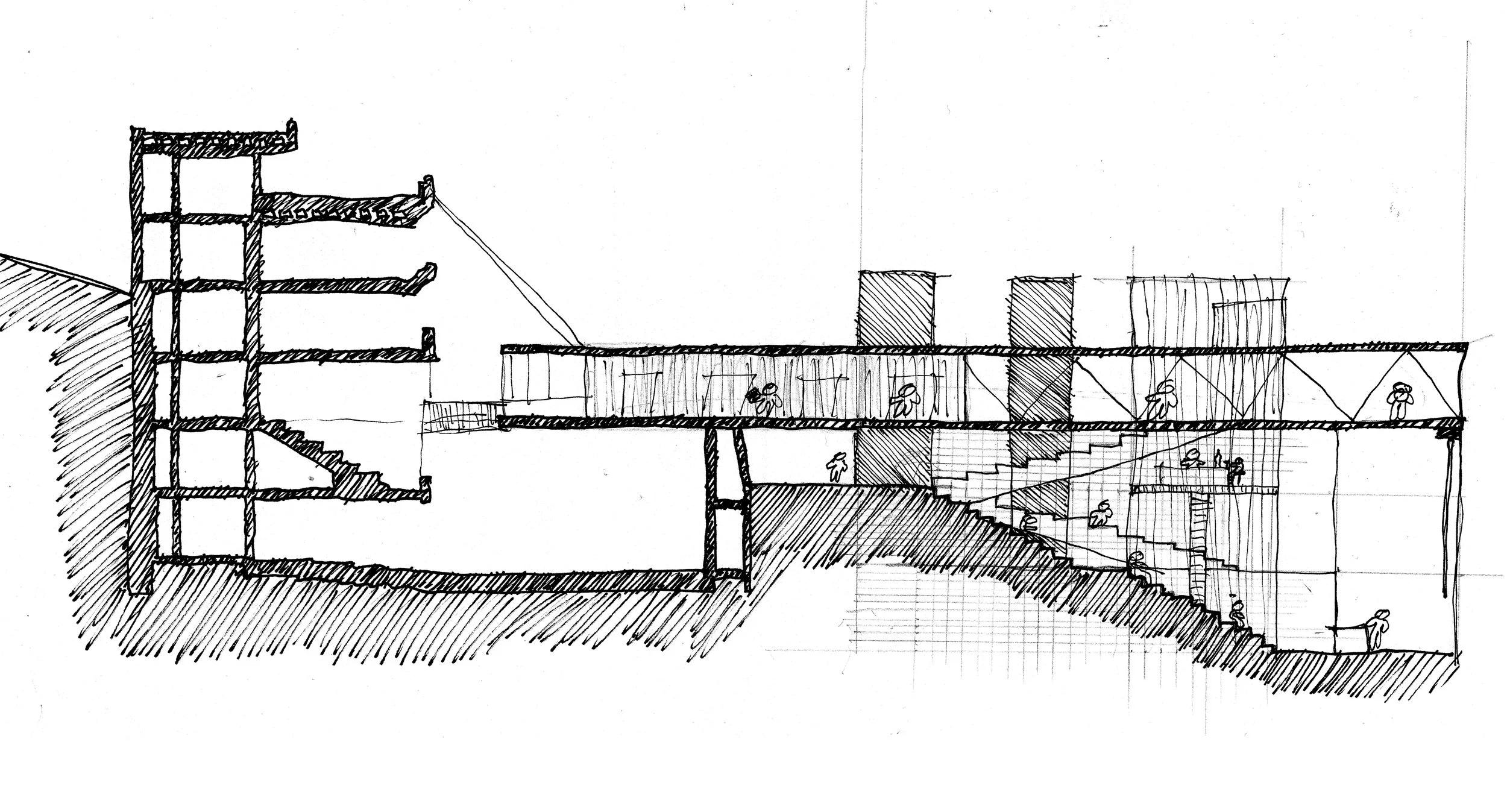
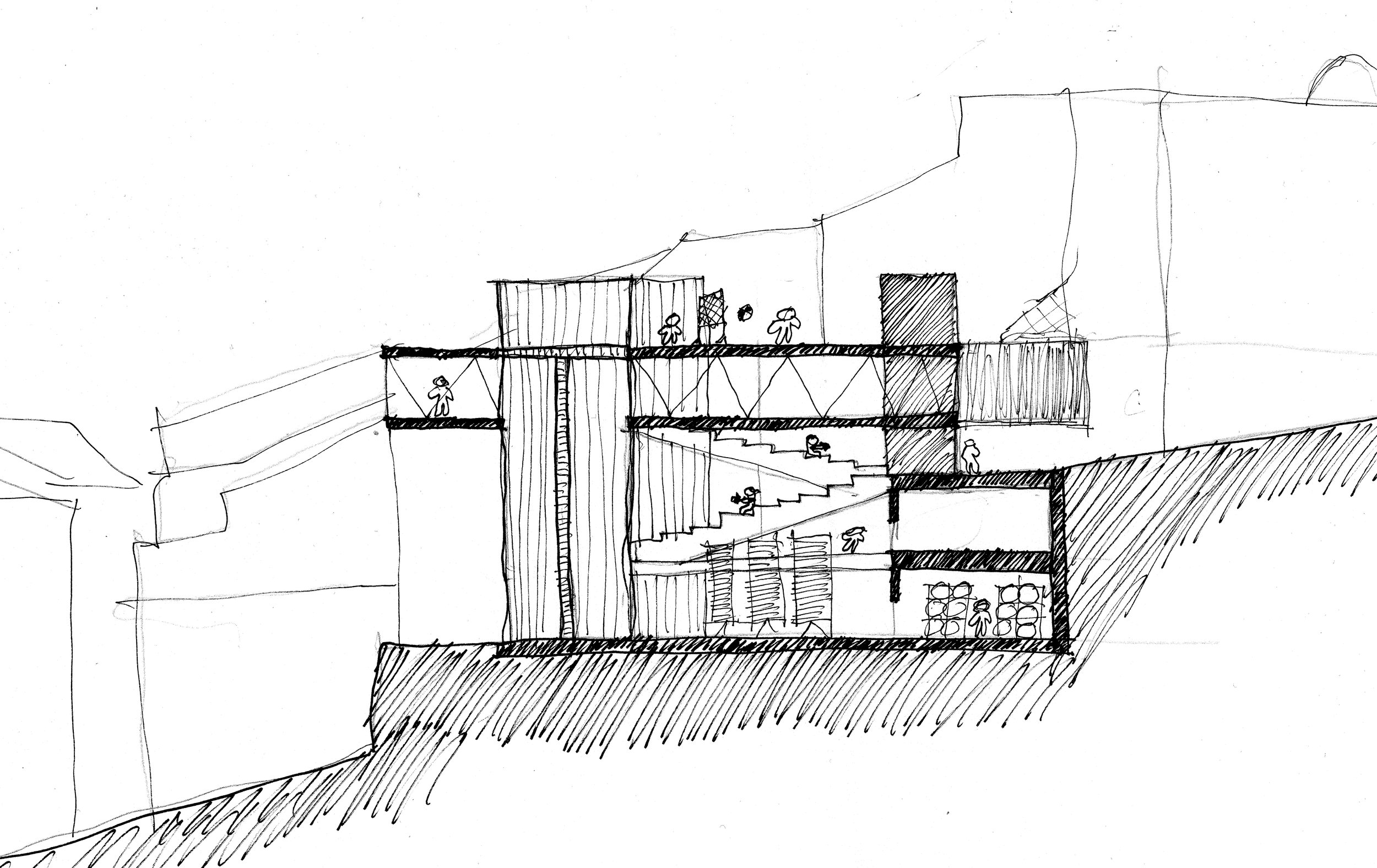
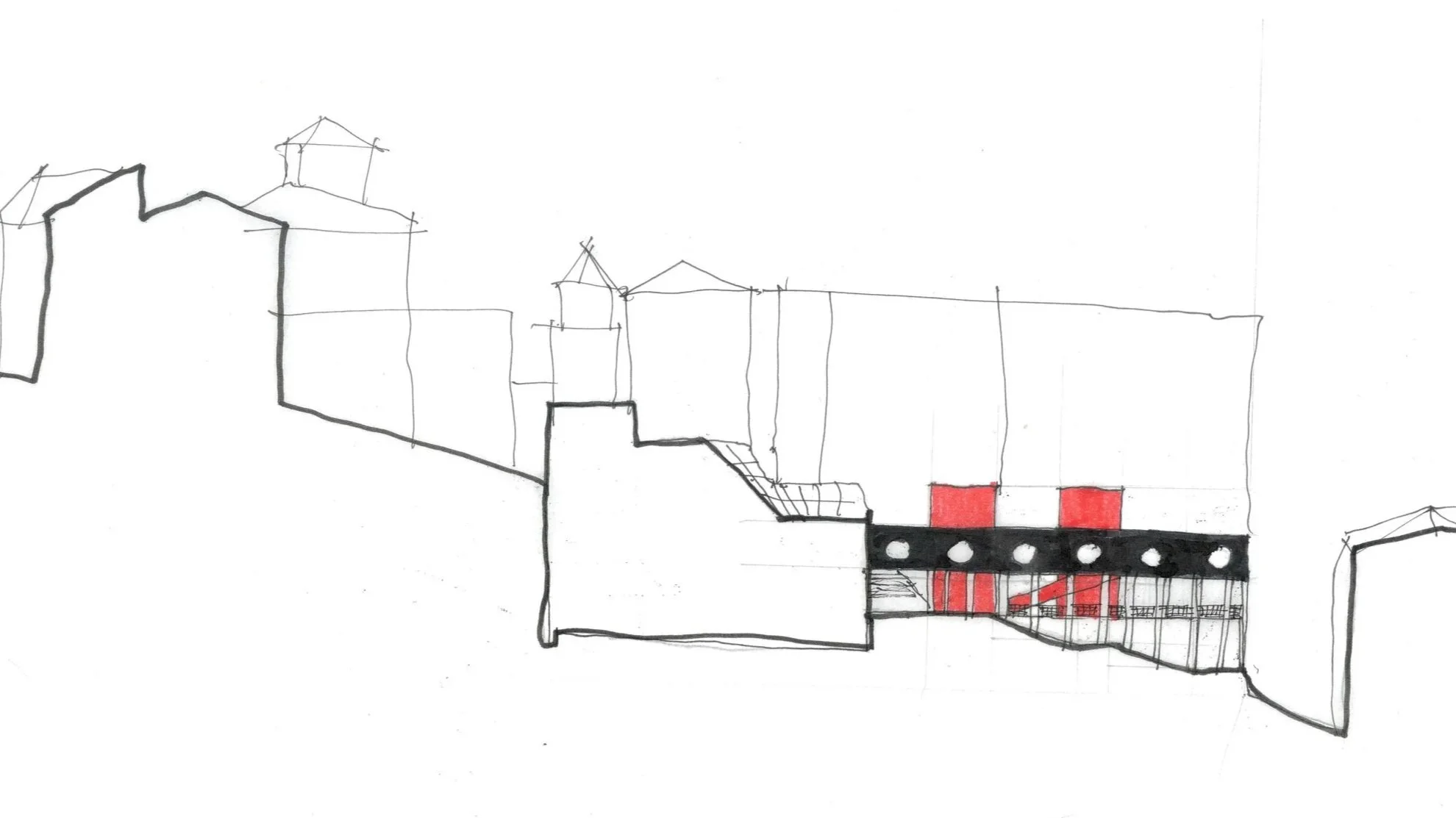
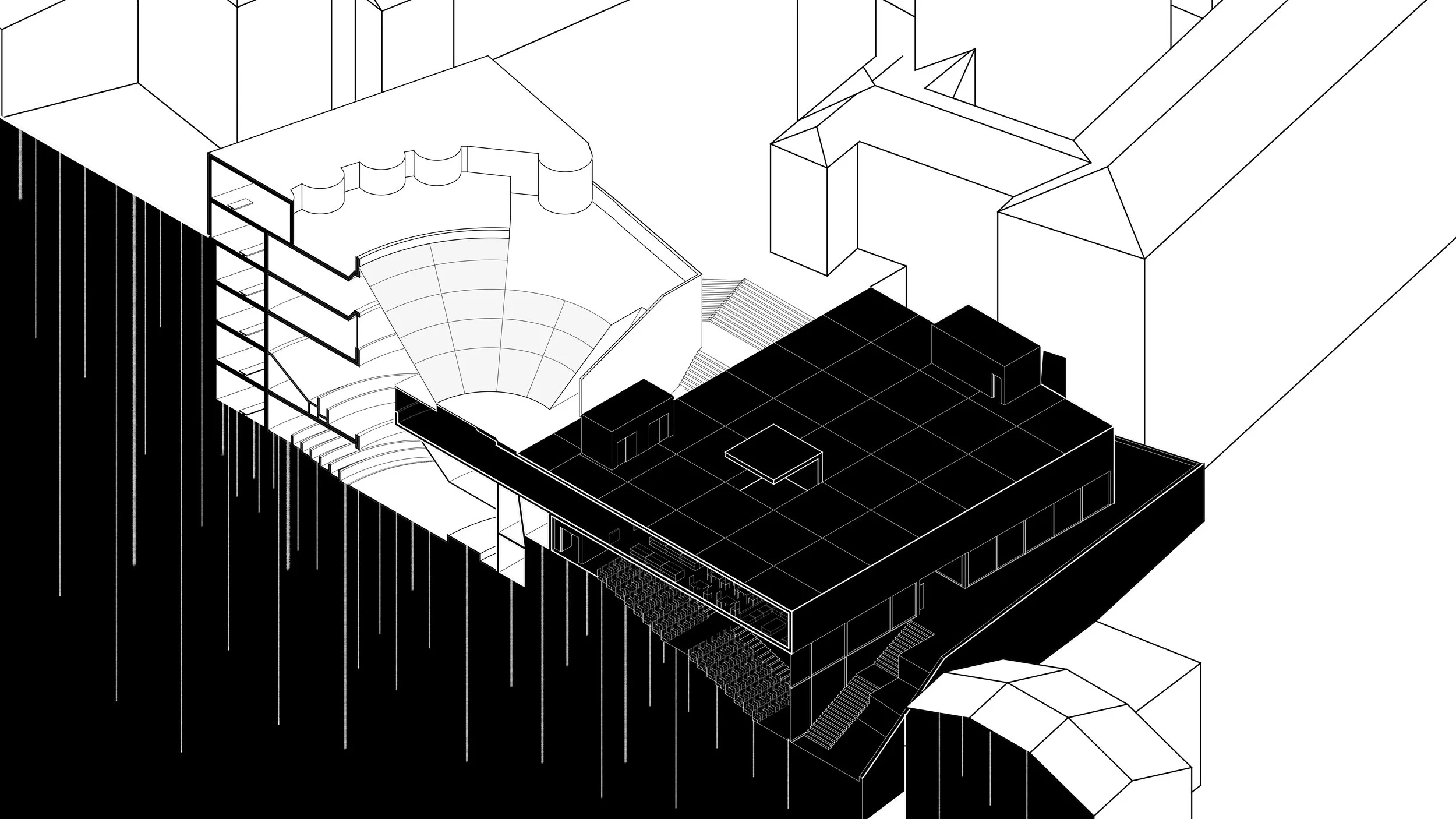
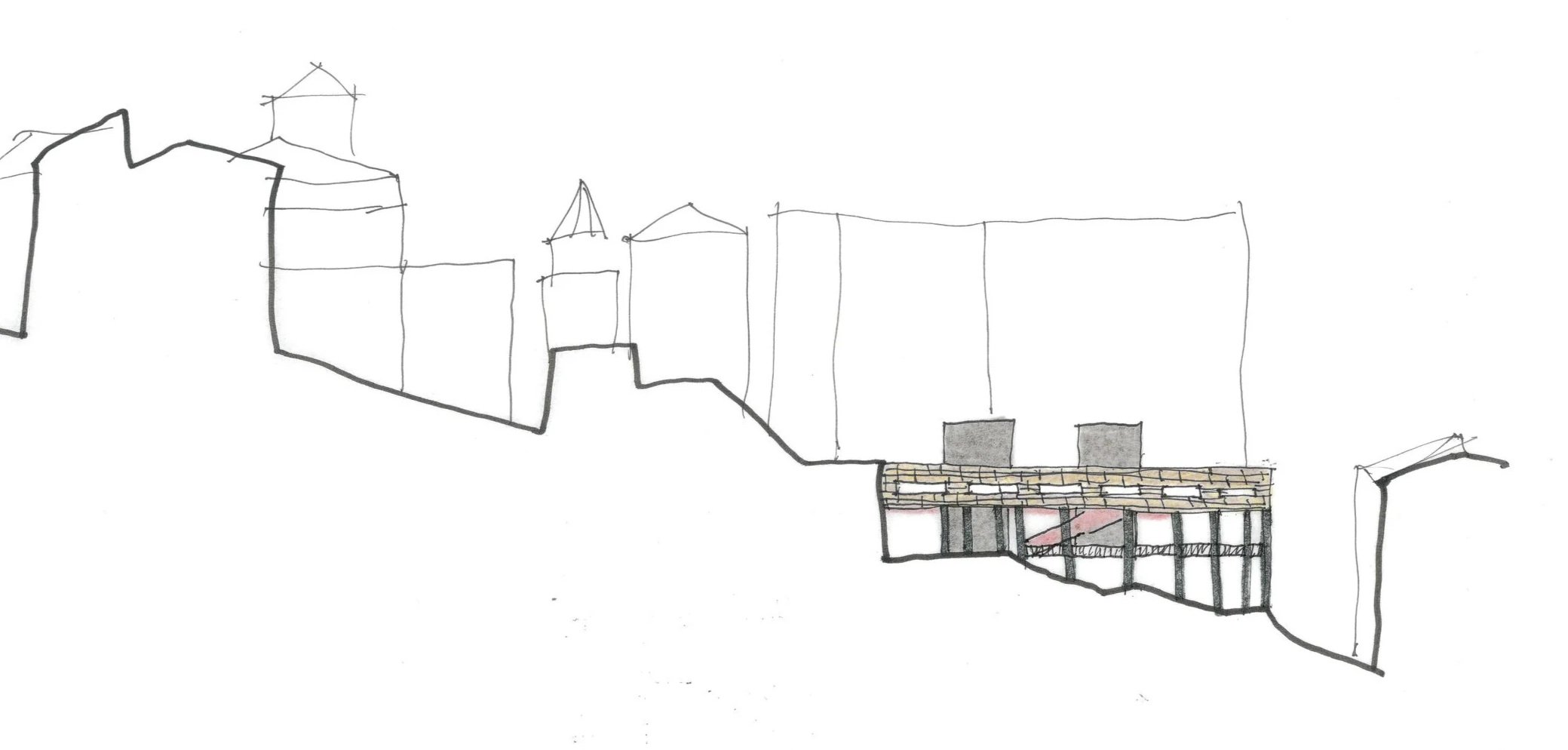
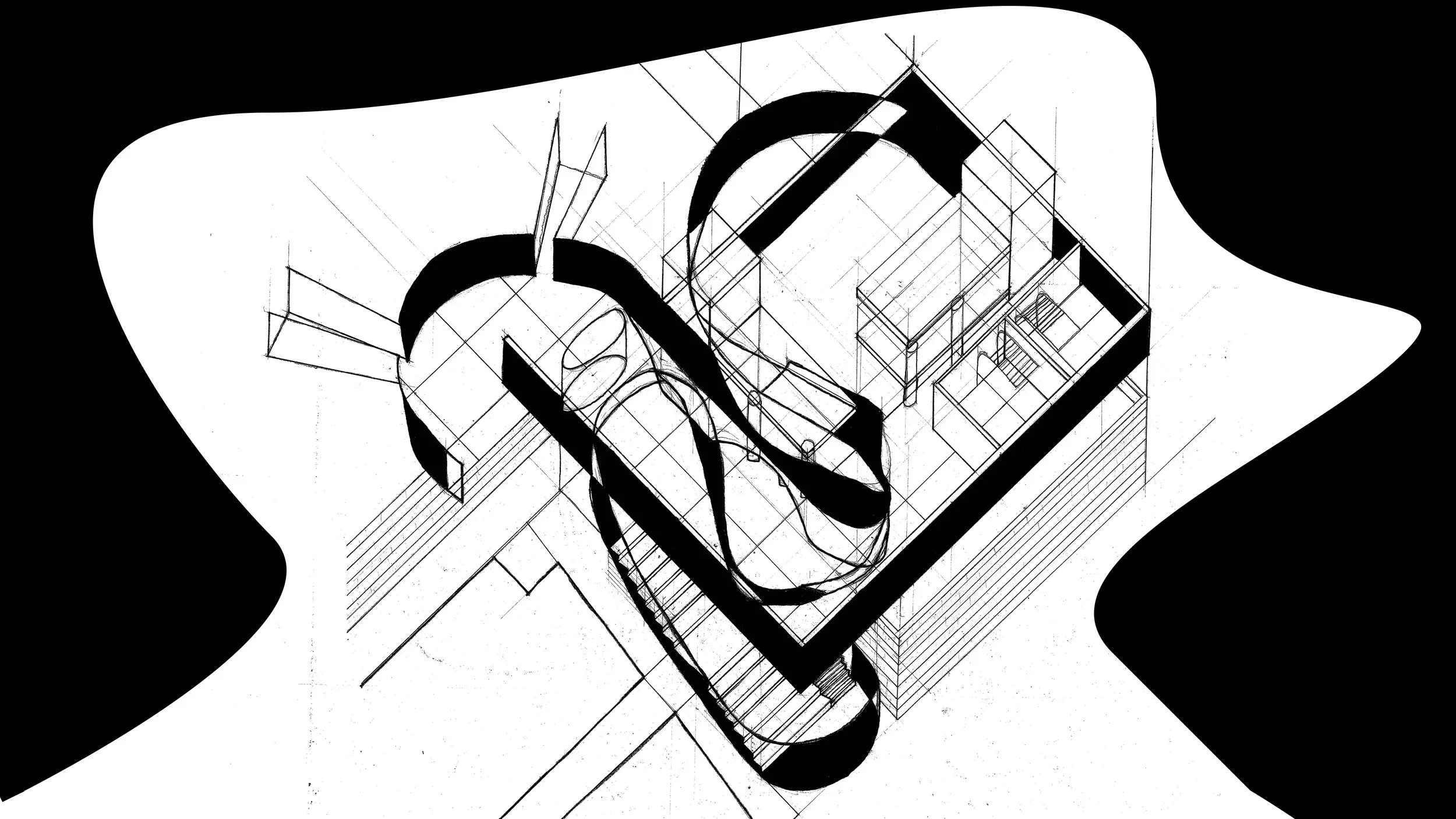
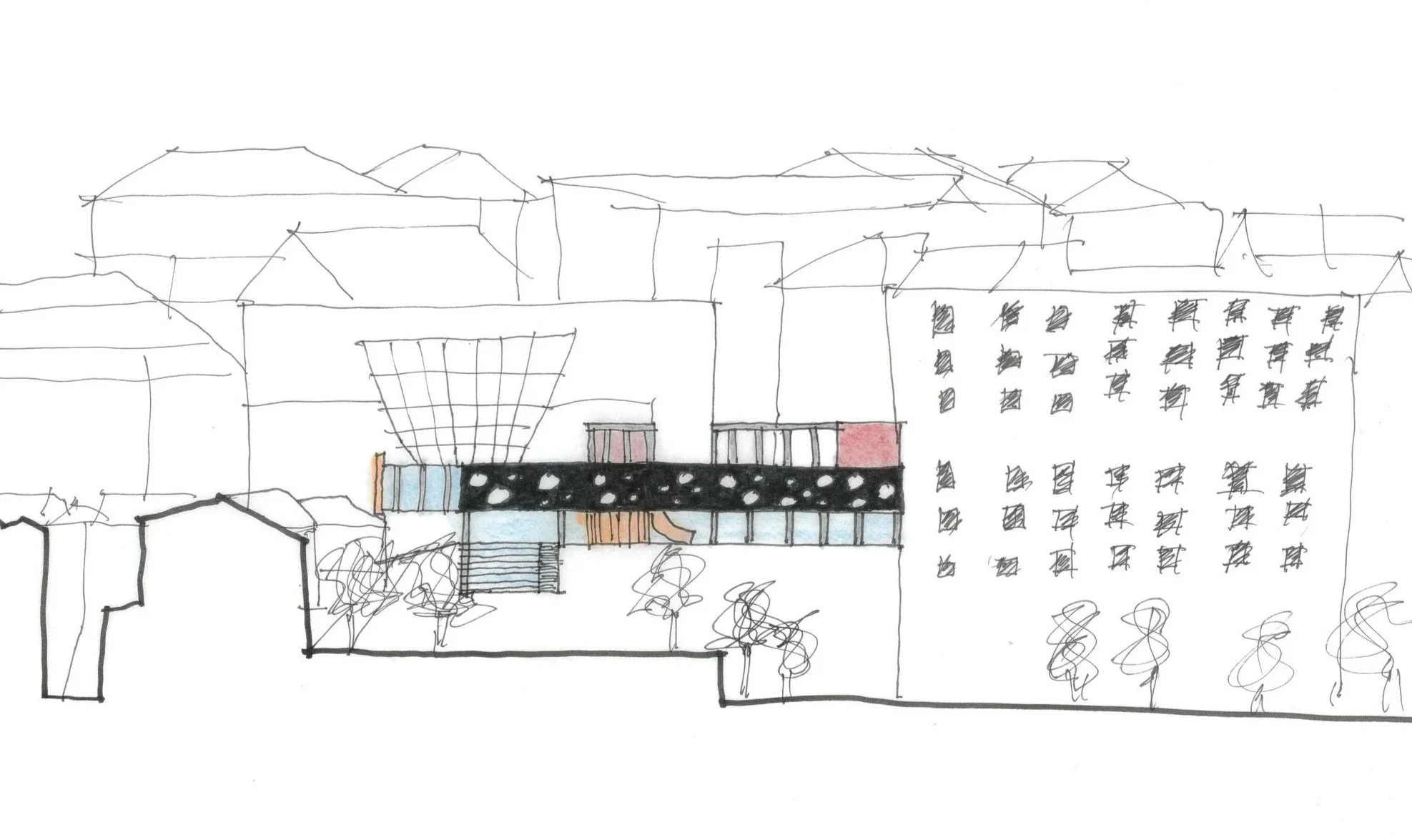
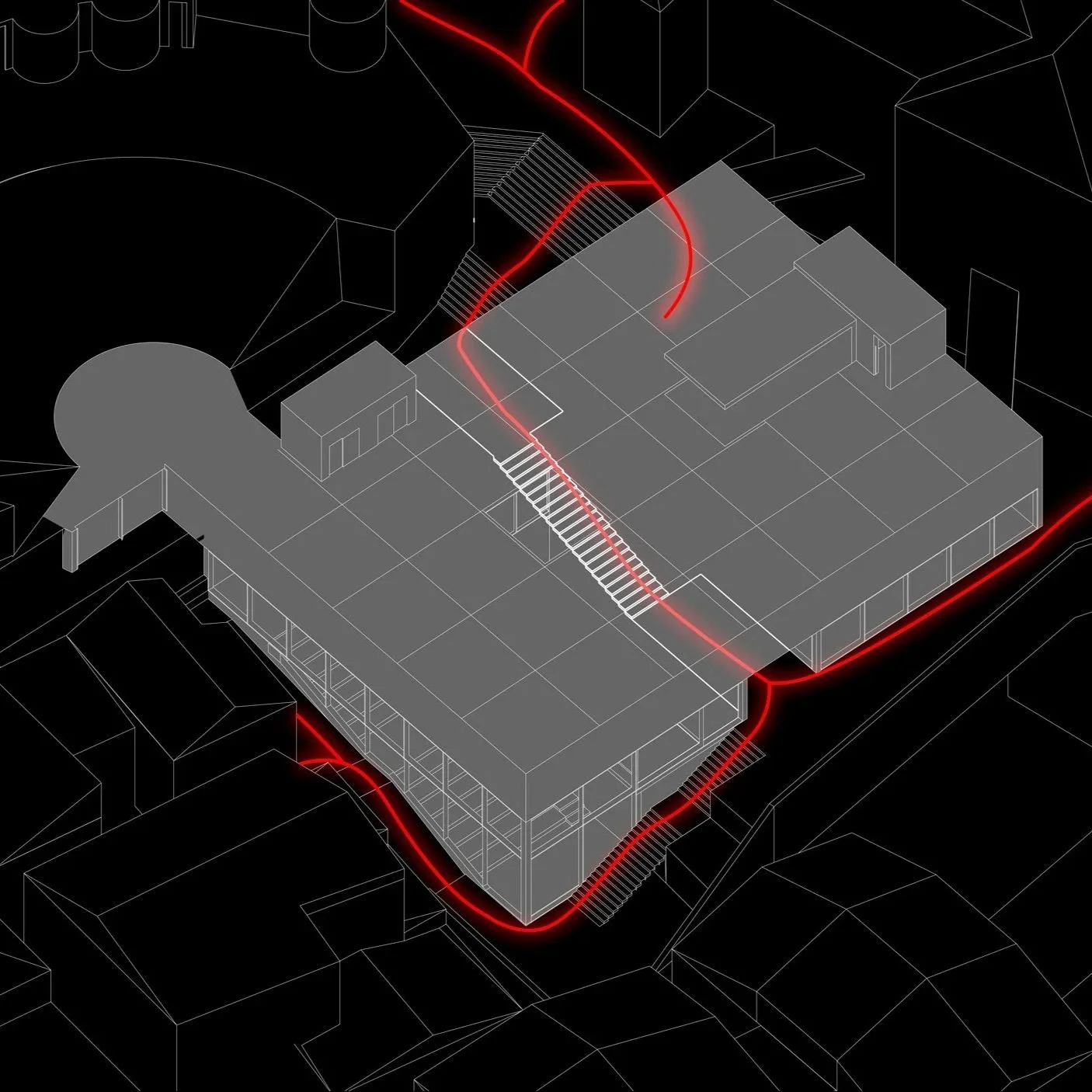
The project proposes the insertion of a new piazza atop an educational wine making school that is an extension to the historic University of Urbino questioning relationships of inside/outside and public/private. The steep hill side town’s topography fragments the university and surrounding residential district from the city’s primary social network. The insertion of a new piazza elevated to the level of the street seeks to reimagine the typology of the piazza through moving rooms that rise to the surface or descend into the building depending on spatial and programmatic demand; retaining its civic functionality and dynamic flexibility, while opening the chance for interactions between students and public. These moving elements allow the public space to constantly reconfigure without demolition or permanent fixtures, creating a flexible civic ground that supports markets, performances, daily gathering, and student life while directly serving the educational and production spaces beneath. The piazza is situated on top of an extension that connects directly into Giancarlo De Carlo’s school: the Magistro.
Liam Siggins and William Vo
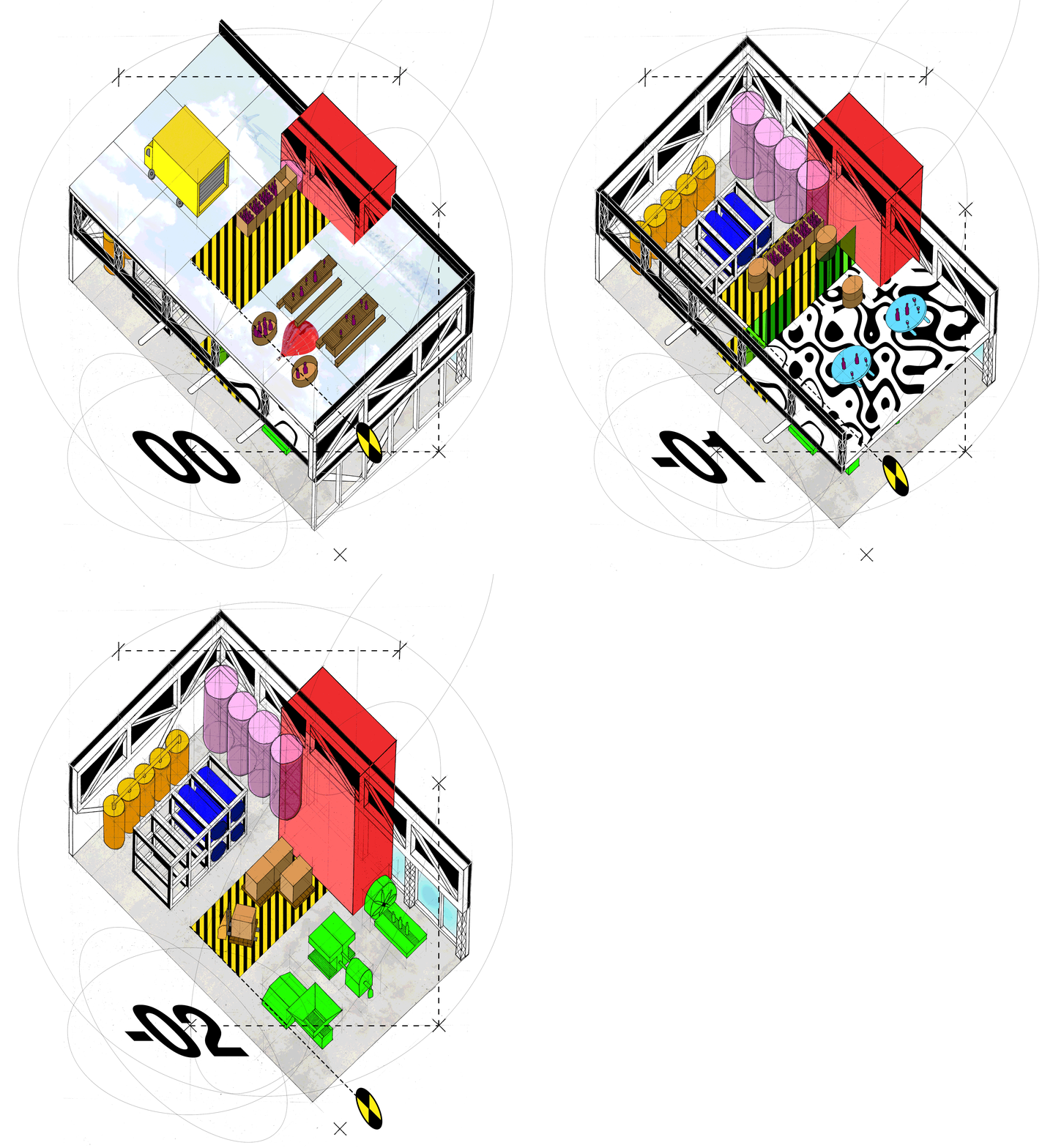
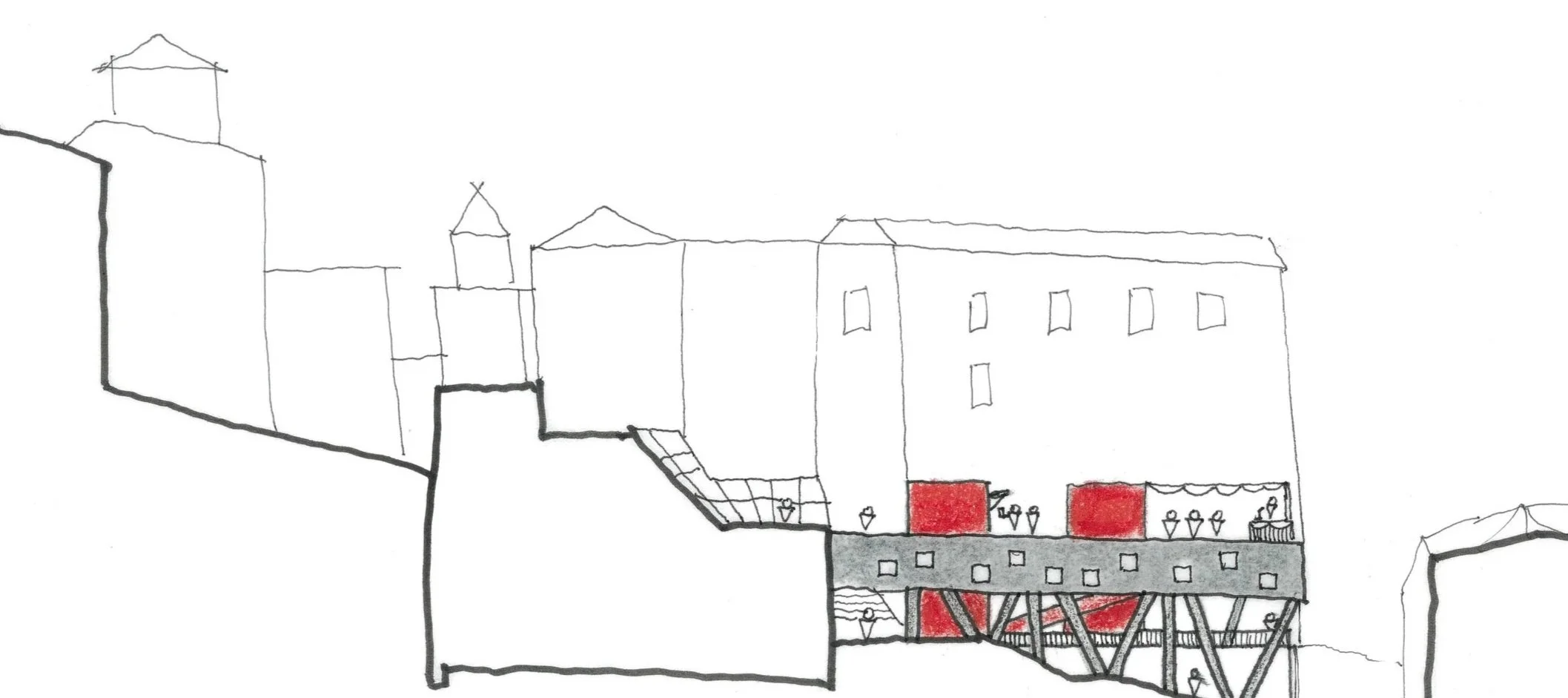
The cafe shaft is a vertically mobile room that travels between the production level, the educational level, and the piazza. Its movement is scheduled according to daily patterns of use, allowing it to serve a lecture hall, library, and the public square at different times of day. When at the piazza, it activates the space through food, seating, and informal gathering; when below, it supports academic and support spaces. The cafe becomes both a social catalyst and a service core, linking public life to the interior program through motion.